- Rage Against the Algorithm
- Posts
- The Podcast is a Teenager
The Podcast is a Teenager
7:12 p.m. PST, Pink Moon; Two April Events; Books by Lidia Yuknavitch, Christopher McDougall, Lauren Simkin Berke, and Ramona Ausubel

Brendan O'Meara
April 01, 2026
April Events!
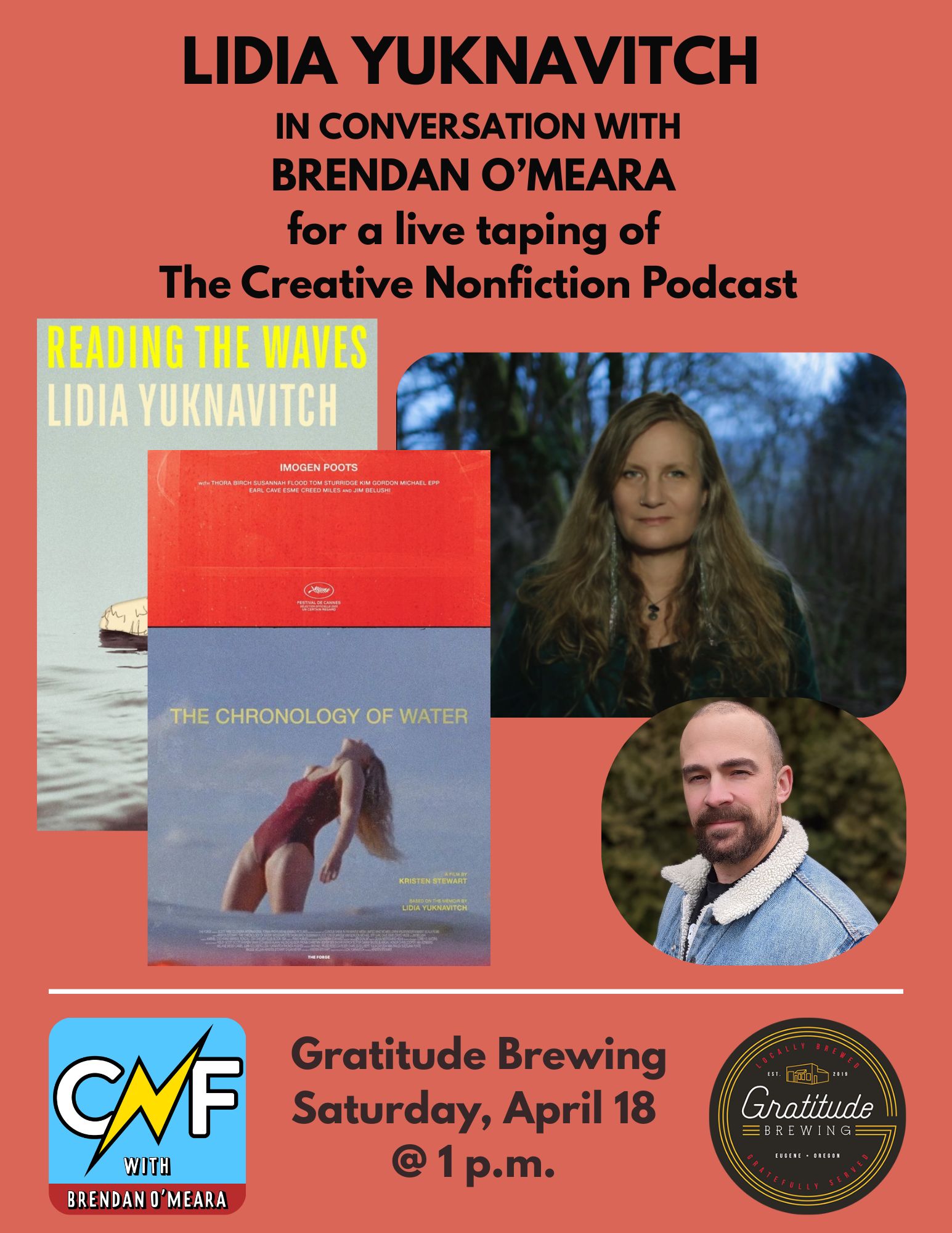
Saturday, April 18, 1-3 p.m. at Gratitude Brewing in Eugene, OR: Live podcast recording with the one and only Lidia Yuknavitch. Yeah. Here’s a link to secure a FREE ticket. It’ll help us get a headcount for Gratitude Brewing. RSVP here.
RSVP here.
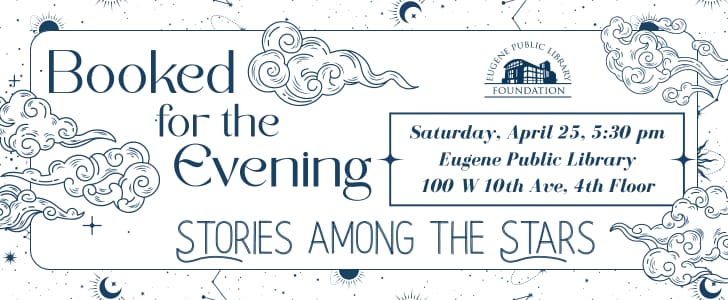
Saturday, April 25, 5:30 p.m. I’ll be delivering a small keynote at the Eugene Public Library to raise some dollar bills for the joint. Come on out.
Sunday, April 26, Eugene Marathon, 7 a.m.: Kill me now.
The Riff
So the podcast turned 13 on March 20, 2026. The first episode with Susan Kushner Resnick aired on March 20, 2013. Let’s see, I would have been living in Upstate New York. I would have been 32 years old. Six Weeks in Saratoga had come out less than two years before that. I was writing shitty-ass slide shows for Bleacher Report and covering some local sports for $30 a story. Another gig I had, the publisher’s checks were bouncing and I had to file complaints with the labor bureau to get my money. I had no network to speak of. I was supremely frustrated and bitter, having spent the better part of 2010-2012 working in specialty running retail while my peers in journalism were making something of themselves.
Here I was, this guy with an MFA, a published book, and wondering how the fuck anyone ever “makes it” as a writer of nonfiction, a magazine writer, like my heroes and it seemed many of the people my age were appearing in the pages of Outside Magazine and getting anthologized in the Best American Sports Writing and somehow appearing on these fucking bullshit 30-under-30 lists. What a time to be alive! I was wasting a LOT of energy on that shit and it’s no wonder that I always scurried off to find the next menial day job to give me a steady paycheck even if it meant setting my career back ten years. Those were the conditions that spawned CNF Pod.
My original podcast rig was running Audacity out of my laptop to record, a landline on speaker phone that I propped up on the computer. I would call the guest and have the computer record them through the phone. I would lean into the phone and the computer. I didn’t get an actual microphone for a while.
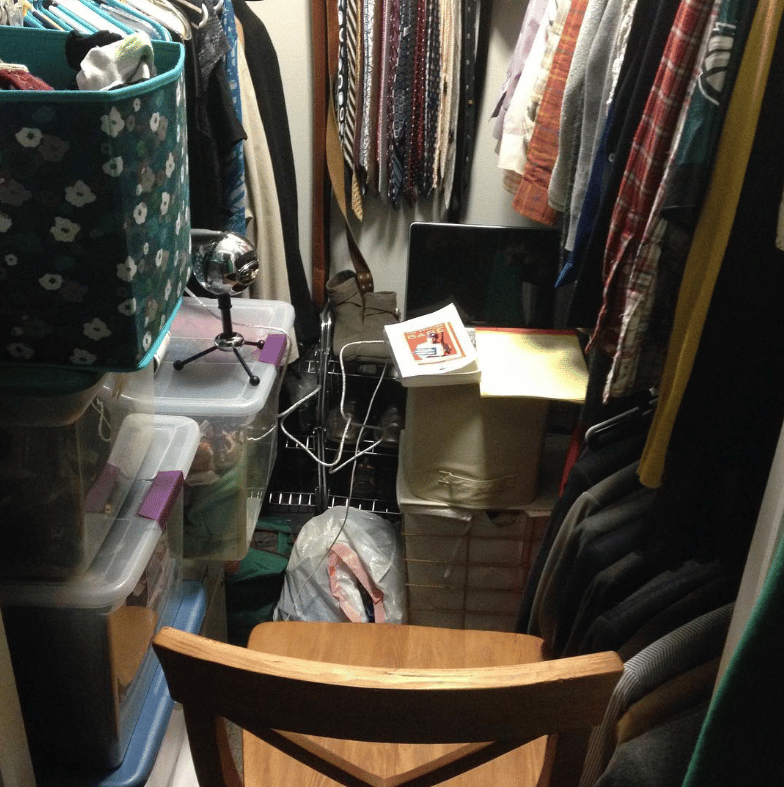
The closet studio in 2015.
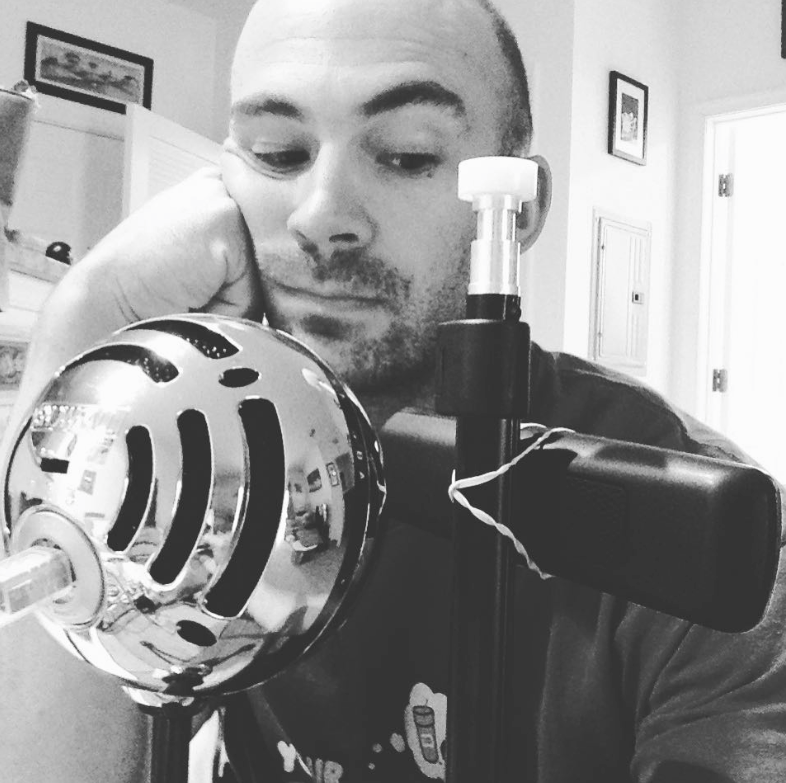
2015: Believe it or not, this was a bit of an upgrade. That Blue Snowball mic still sucked.
I wasn’t a radio guy. I was just a guy listening to cool conversations about writing and art and knew that nobody was ever going to invite me on their shows. I wasn’t famous. I had no real body of work to speak of, not REALLY. And I knew there were legions of writers like me: not famous but with ability (pump the brakes, BO) and ambition, who had insightful things to say, but no platform to say it because we were all being ignored. Plus, there weren’t that many podcasts at the time. Not like today.
The Longform Podcast guys started a few months before me. I didn’t know who they were when I started, I swear, but they had a team and an infrastructure in place that allowed them to do the show weekly. When I started I did it whenever I felt like it for the first three years of the show’s run and wondered why there was no real audience, no traction.
In honor of this birthday, I originally thought I’d do something silly like 13 lessons from 13 years of the podcast, and maybe I’ll do a blog post about it or a newsletter, but one of the many lessons it has taught me is to let time do its thing. I might might might have 5,000 subscribers after all these years. That’s not nothing, man, but it’s not exactly going to blow your agent’s hair back. 5,000 might even be a bit high. But it grows in a sustainable way. The people who find it tend to stick around. They realize this show is a little … unbalanced, a little … unhinged.
It takes a LONG time to grow anything. Don’t be fooled by the viral outliers who went from 0-100,000 in a month. Most people who start a podcast and have a big following right away are already famous, have a media company with legions of people behind them to promote it, and are probably not doing any of the actual labor of putting a show together. Amy Poehler, who I love, girl ain’t in the edit.
CNF Pod is unlike any interview show out there and that’s only because, well, I’m unlike anyone out there … for better or worse. Better, right? Right? RIGHT? And I guess that’s another lesson: double down on what makes you weird. Its closest cousin is WTF with Marc Maron. I remember when I was well into the run of CNF Pod and I started listening to Marc more, it was like I found a kindred spirit. He was expressing the same level of resentment and crankiness around his craft as I was. Him being a pioneer of the form and 10,000,000 times more famous/popular means people might think I’ve been ripping him off, but it’s more like we just have similar personalities and worries and anxieties, so naturally sometimes what we say about our work rhymes. I’ve had a few people compare me to him and it always makes me smile.
Think about the last time you checked out a new podcast from an unknown. There’s so much inertia, like, “fuck, do I really want to spend an hour listening to what is most likely an unpolished, unskilled person trying to get their footing? Do I want to give them a year to get better? Two years? What are they really offering me for spending an hour of my time with them?”
This is the math we’re all doing. And the astute podcast host is always doing this math because you have to balance being entertaining and informative and inspiring and unique. At least in this genre or sub-sub-sub genre of interview shows.
How many podcasts go unlistened to in your feed because you just don’t have the time? Or the energy? I thought when Longform sunsetted that I’d basically get all their audience since I’m the only nonfiction interview show going now, or if not the only, certainly the longest running one. I was like, “Get ready BO, this is your one shining moment!” But I didn't get a bump at all. In fact, I’m sure all those Longform listeners were relieved that they didn’t have to listen to another podcast or feel guilty for ignoring them week after week.
The podcast was and is never about making money, though I’m always asked how I make money with it. It makes $150 a month from Patreon before skimming off a chunk for taxes. It’s always been about community and maybe making you feel a little less shitty and alone. The show has opened doors for me and will continue to do so, I think. It’s a tall tree in a forest of podcasts, still growing, evergreen as fuck.

Pitch Club is taking the month of April off, but there’s a lot of great stuff to check out, like Issue 10 with Pete Croatto.
It’s closed for renovations. Gotta clean the carpets and replace a few lightbulbs. The club will re-open in May!
The Books
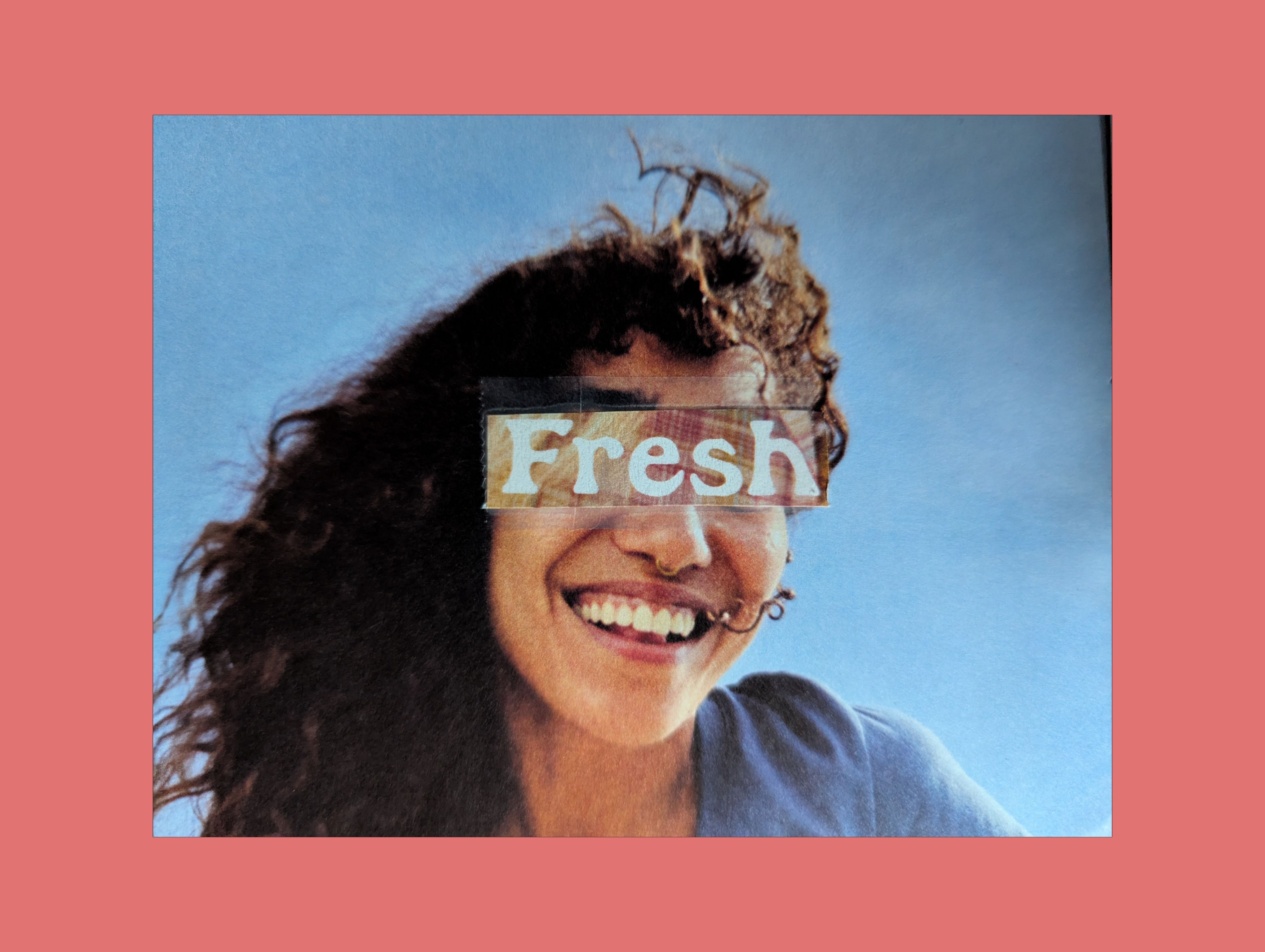
Reading the Waves: A Memoir by Lidia Yuknavitch. Boning up for the live event. I’d throw in, as a bonus, The Big M: 13 Writers Take Back the Story of Menopause.
Unstuck: A Writer’s Guide: 101 Doorways Leading from the Blank Page to the Last Page by Ramona Ausubel. Lots of great pointers in this craft book.
Zine Making & Book Binding: A Beginner’s Guide in 25 Projects by Lauren Simkin Berke. You know I love me a zine.
Starstruck: A Journalist’s Pursuit of a Fugitive Pop Star, Her Diabolical Maestro, and Their Teenage Sex Cult by Christopher McDougall.
The Other Stuff
Amaris Castillo of Poynter wrote a little feature about Pitch Club. [Sidebar: In a meta twist, I pitched Poynter to do a feature on Pitch Club.]
It’s a good time of year to declutter.
I had this Gay Talese complex early in my career where I would wear suits to work. I tended to feel more confident. It definitely made people take me more seriously, which I believe led to the kind of access I got for my first book. I got away from wearing suits, donated all of them a long time ago, but I’m thinking I might need to suit up again. Jabronis need to suit up, Pat Riley believes in the suit.
So Jess Bowen is a drummer for the band The Summer Set. Never heard of them or her. That’s not the point. This video of her trying to figure out the drum beat to Rammstein’s “Du Hast” is fascinating. What struck me was how she was saying at one point she was too much in her head and not her body. THAT'S the takeaway I’d love you to think about. You can’t think through everything. At some point, it’s something you gotta feel your way through.
A hilarious and devastating animated short called Retirement Plan.
So, um, yeah, on YouTube, Metallica now has a TV station that shows music videos and live concert videos. It’s like MTV … whoa … oh, BTW … snagged my tix to the Sphere, going in Feb. 2027! I was going to spring for a Snake Pit ticket, but I got to thinking … you actually want to be farther back to take in what the Sphere offers, like, visually. So we’re up Section 407, dead center. I’ll hit up the Snake Pit next time they’re in North America. Gotta. They’re in their 60s. More time behind than ahead and all that.
Seth Godin’s keys to being remarkable.
My Favorite Exchange from the Podcast: Keith O’Brien
Brendan: The piece that you wrote for The Atlantic around the time that Charlie Hustle came out about sports journalism … we'll miss it when it's gone, and we're seeing the erosion of of that to this day. How do you evaluate the sports journalism landscape, especially in this age of the sanitized docu-series?
Keith: I mean, you're so right. And the sanitized docuseries where the subject has full editorial control over the product is making work like I do, like you do, like others who come on this podcast do, a lot harder to do, because everybody wants to have full control, and nobody is willing to sit under the prism of history anymore.
I'm very worried about where we're headed in the sports journalism ecosystem. We're living in a time where sports gambling has proliferated to levels that no one anticipated, even after they legalized gambling eight years ago. We live in a time of scandal after scandal, and we live in a time when people like me and you and others out there have less and less access to the athletes themselves. And it was flawed before. In the 70s, at that time, the reporters had too much access. They were buddy buddy with the athletes. They were going out and drinking with them, carousing with them. They were too close, and we didn't know our heroes because they didn't tell us what we didn't want to know.
But now we've swung in a completely other direction, where there are just walls and fortresses around the locker rooms. I understand it. Sports has become a multi, multi billion dollar industry, one of our largest industries. People are drawn to sports because of the story, because of the story. It's not about the box score, it's not about the final score, it is about the story. If we get to a place where the best storytellers don't have the ability to tell the great stories because they don't have the access to do so, or simply don't have the resources to do so, or the people in the locker room to do so, then it's, it's bad for us all.
Brendan: On the one hand, I can almost understand why, especially high profile athletes, wouldn't want to subject themselves to the scrutiny of a journalist, to root around in their lives and then tell the that story through that writer's point of view when now they have so many tools at their disposal to to control that narrative in their brand. I can empathize with it, but hopefully a wise viewer or a wise reader realizes they're not getting the whole story. And the a story in the hands of someone like yourself and Ian O'Connor, Mirin Fader, Jeff Pearlman, getting to things that might be a little uglier really illustrate the human condition and make them all the more relatable. And in the end, I feel more likable.
Keith: Yeah, I agree, and I agree with you 100% I think the discerning reader knows what they're getting. The discerning reader knows if what they're getting is a package story with the corners rounded off, or the real story, good, bad and ugly. On my book on Pete Rose, Charlie Hustle, Pete sat with me for 27 hours of recorded interviews.
Brendan: Wow.
Keith: And I got to him, not through his agent. I got to him through back channels, through his friends. I was doing reporting. I was in Cincinnati, getting to know people, my hometown, building connections. I got the introduction, and I was in, and it was only after his agent learned that I was in that I lost that access. I don't know why I lost that access, but it was only after the agent learned and it is just a shame, because listen, the Pete Rose story is as ugly as a story gets from for a modern athlete, let's just say. He's got it all: the good and the bad and the ugly, the lies, the scandal, everything. But you know, I wanted to write that story straight down the middle and you know? I'm gonna write about all that. I'm gonna write about the highs and the lows, the glory moments on the field, the tragedies off of it, and let people come to their own conclusion. And I think the consensus, clearly, based on the feedback I've gotten the last two years, is it achieved its purpose. Pete is better off for having that book, having been done and for having participated with it, even if he wouldn't have liked everything that was in it. Because I get emails from people who say, all these years I supported Pete Rose and I loved him, and I thought he should be in the Hall of Fame, and I read your book, and I’m not so sure I think so anymore. But I also got emails from people who said, All these years, I've hated Pete Rose, and I didn't even want to read your book, and I thought he shouldn't be in the Hall of Fame, but I read your book anyway, and now I sort of think he should be in the Hall of Fame. I think all of it is is is better for the subject himself."
Coda
I hope you dug this werewolf issue of RATA. To support what it is I do, you can:
Buy copies of The Front Runner
Subscribe to Pitch Club,
And/or leave kind reviews for the podcast on Apple Podcast and/or leave kind reviews for The Front Runner on Amazon and Goodreads.
My understanding is the book is well received, and well reviewed, though I still refuse to look. Can always use more. As my pal Kim says, buying a book or leaving a review is a vote for the next book; it makes us just a tad more attractive to publishers.
If you have a few bucks burning a hole in your pocket, you may check out Patreon.com/cnfpod.
Otherwise, stay wild, nose to the wind,
b.r.o.